Umbrella Insurance for Seniors Who Volunteer
Umbrella insurance is a separate policy that adds extra liability protection on top of your car and home coverage once those limits run out.
What this coverage actually pays for
Covers
- Liability above your car policy If a crash you caused costs more than your auto liability limit covers, the umbrella policy picks up what's left.
- Volunteer driving liability If you're driving your own car to deliver meals, shuttle people to appointments, or run errands for a church or nonprofit, this extends the same extra liability protection to those trips.
- Liability away from the road It also covers you if someone is hurt on your property or because of something you did off the road, not just car accidents.
- Legal defense costs If you're sued over an accident, the policy pays for your lawyer and court costs, often separate from the payout limit itself.
- Claims across multiple policies If a single incident involves your car and your home, like a crash that also damages someone's property, the umbrella policy can respond to both.
Doesn't cover
- Damage to your own car This coverage is about what you owe others, not repairs to your vehicle, so collision or comprehensive coverage handles that.
- Your own injuries Medical payments or personal injury protection on your auto policy covers you, not the umbrella policy.
- Everyday fender benders This only pays once the damage or injury claim exceeds your underlying auto or home liability limit, so small claims never reach it.
- Driving for pay If the volunteer role shifts into paid work, like being compensated for rides, that can fall outside what this coverage was written to handle.
- Intentional harm If you deliberately caused the damage, no liability coverage, umbrella or otherwise, is going to pay for it.
For most seniors who volunteer regularly, yes, it's worth having
The math here isn't really about the car. It's about what you have to lose. If you own a home, have savings, or have any retirement accounts beyond what's protected by law, a serious injury claim from an accident could reach into all of it. Your auto policy's liability limit was likely set years ago and may not reflect what a lawsuit could actually cost today.
Volunteer driving changes your exposure a little. You're on the road more, often with passengers who aren't family, sometimes in unfamiliar neighborhoods or at odd hours. More miles and more passengers mean more chances for something to go wrong, even if you're a careful driver.
If you're renting, have little in savings, and rarely drive beyond local errands, the case gets weaker. There's less to protect, and the coverage is there to protect assets, not to make you feel safer behind the wheel.
If you do carry it, check that your auto and home liability limits meet whatever minimum your umbrella policy requires underneath it. An umbrella policy only works if the coverage beneath it is set high enough to connect to it without a gap.
What happens if you ever need to use it
An umbrella claim starts the same way any liability claim does. The injured party or their insurer files a claim against you, and your auto or home insurer handles it first, up to your underlying policy's limit. Only once that limit is paid out does the umbrella policy step in to cover the remainder.
There's usually no separate deductible to pay out of pocket before it responds, since it sits on top of policies that already have their own deductibles and limits. What you're responsible for is making sure the paperwork between policies lines up, the same accident report, the same claim number, the same timeline.
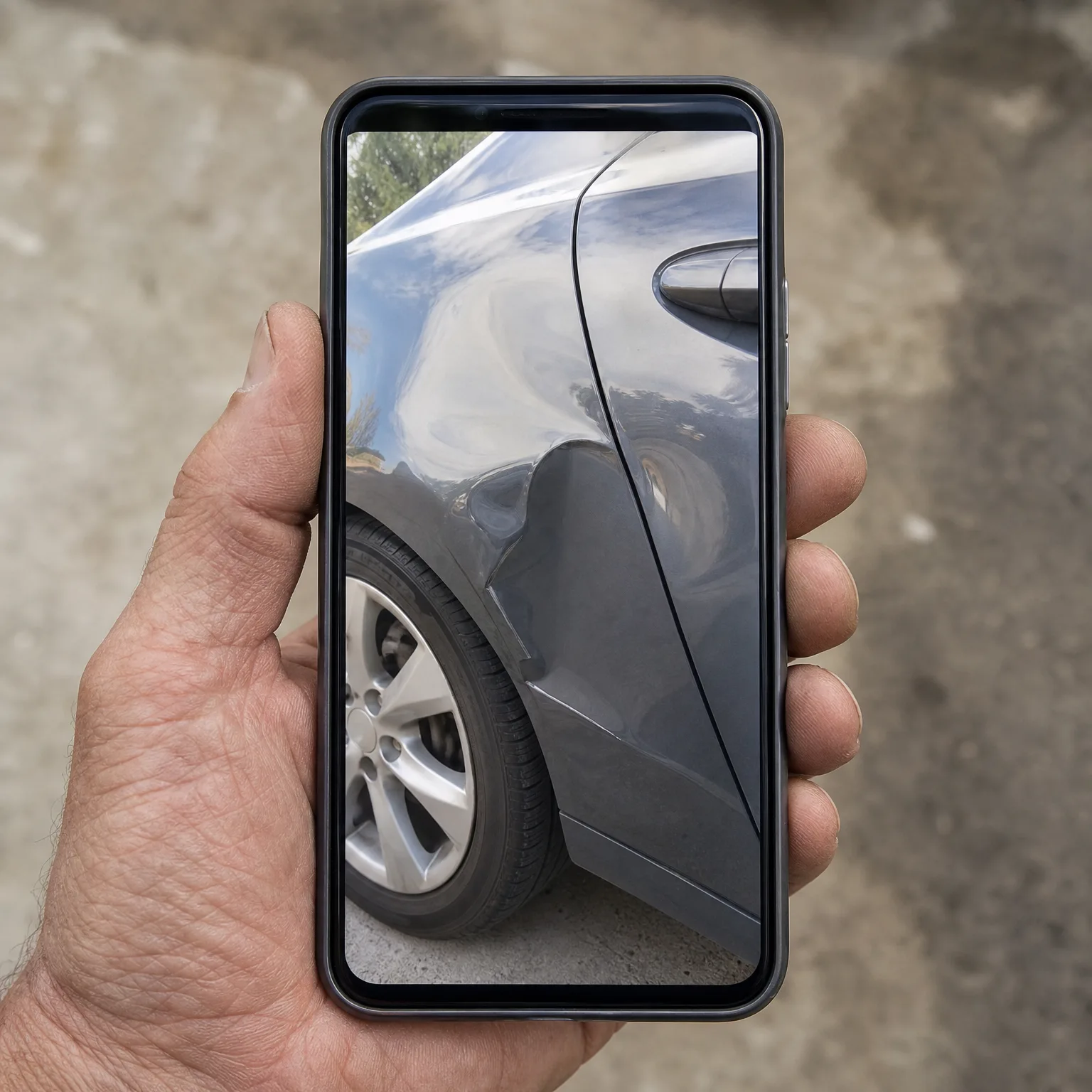
Have your underlying auto and home policy numbers ready, along with any police report or incident documentation. If the accident happened while you were volunteering, it helps to have something showing you were doing that errand for the organization, like a schedule or a note from whoever coordinates the rides.
What it pays is money to the injured party or their estate, up to your umbrella limit. It doesn't pay to fix your car, and it doesn't pay you directly for anything related to your own losses.
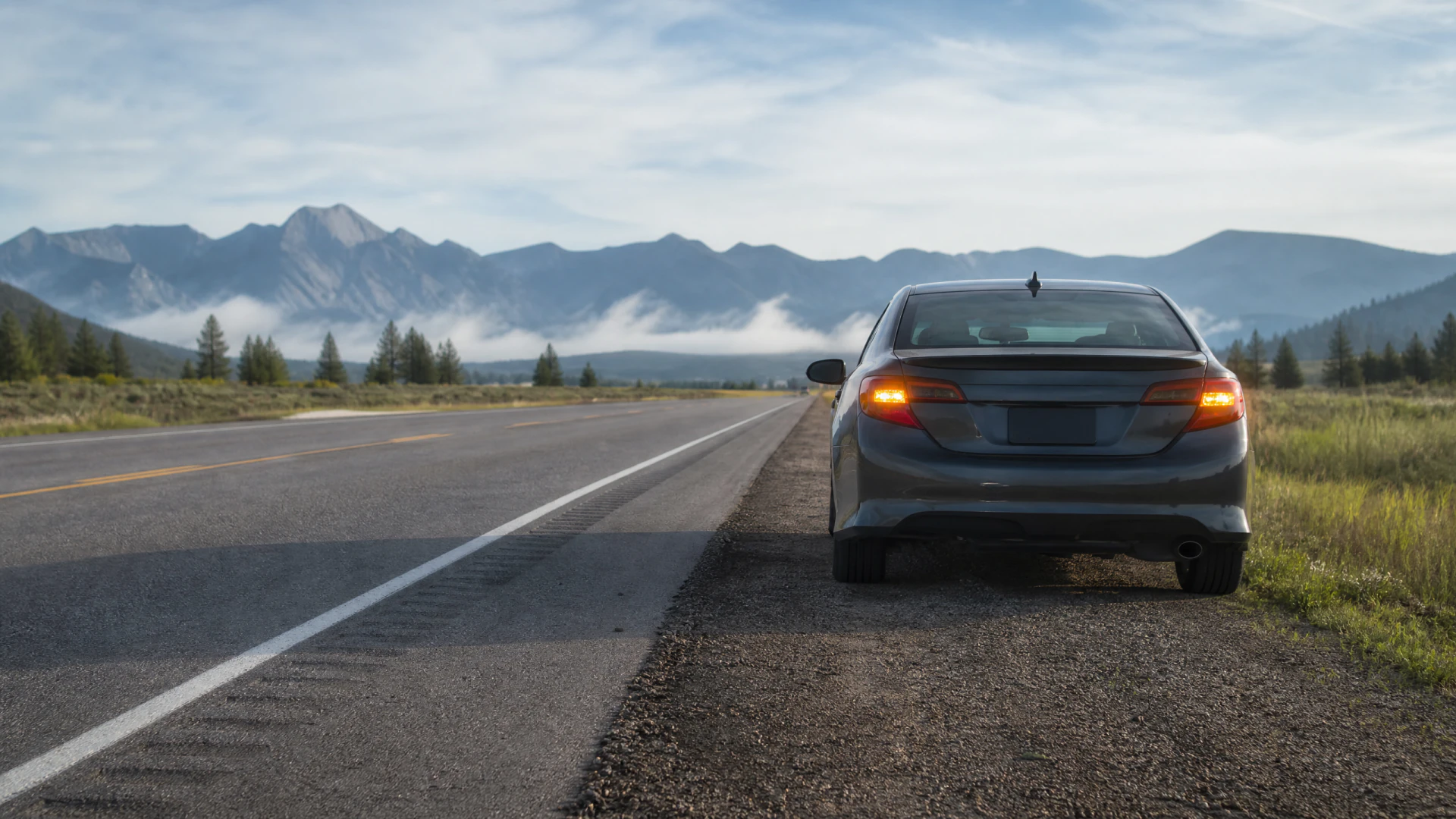
Umbrella insurance versus higher auto liability limits
Umbrella insurance
This is a separate policy that sits above your auto and home coverage and responds to any liability claim once those limits are used up. It covers a broad range of situations, not just driving.
Raising your auto liability limits
This means increasing the liability coverage built into your car insurance policy itself, so more of a claim is covered before anything else would need to step in. It only applies to auto-related claims.
If you only want more protection behind the wheel, raising your auto liability limit may be enough, but if you have real assets to protect across every part of life, the umbrella policy covers more ground.
Real situations
You're driving a neighbor to a doctor's appointment as part of a volunteer program and you rear-end another car at a stoplight, causing a serious neck injury to the other driver.
If the claim exceeds your auto liability limit, the umbrella policy pays the remainder.
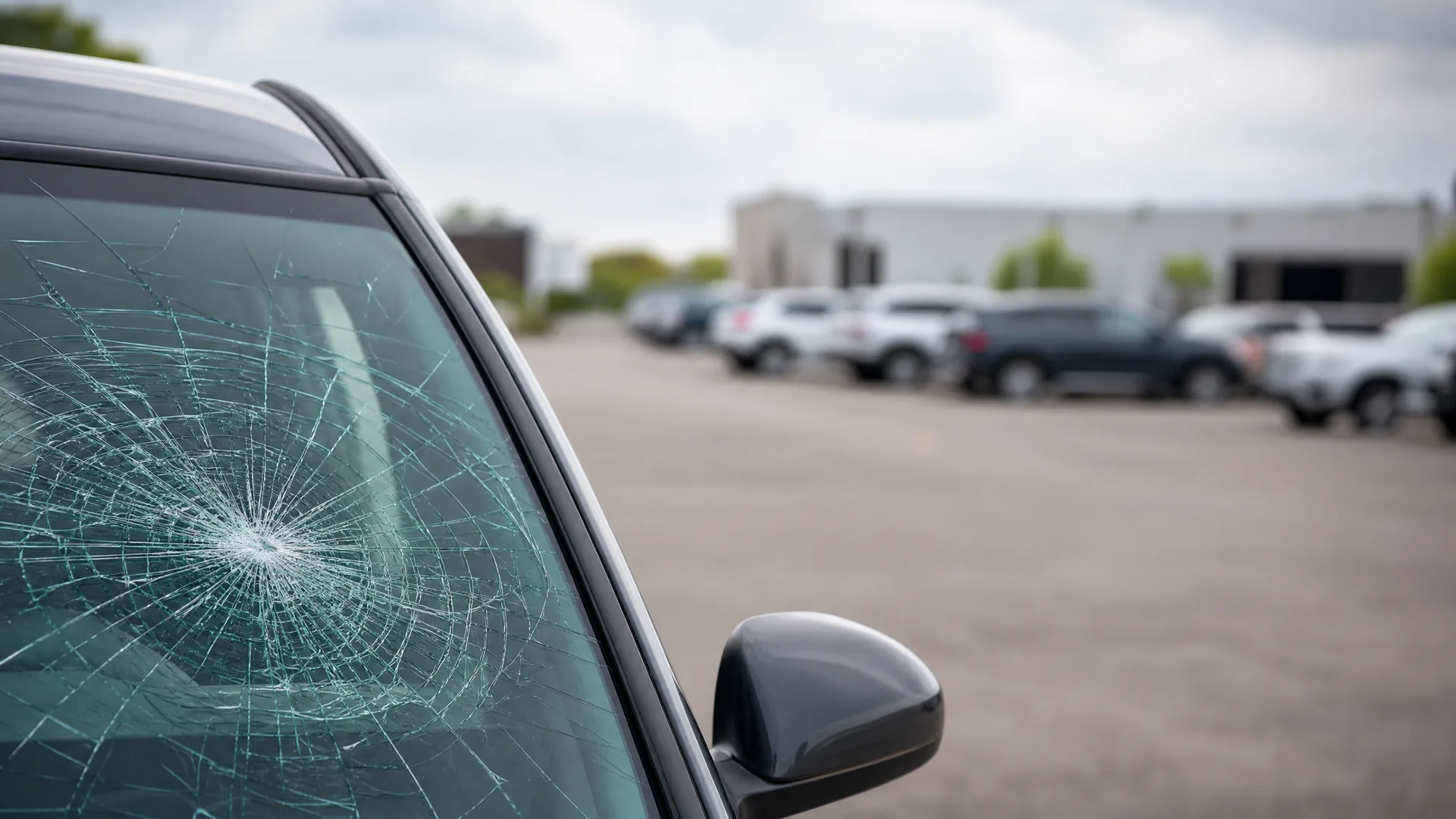
Your car is parked at the church lot during a volunteer meeting and a hailstorm dents the hood and cracks the windshield.
This doesn't pay, since it only covers liability to others, not damage to your own car.
While backing out of a senior center parking lot to pick up riders, you clip a pedestrian and they're hospitalized, and their medical bills and lost wages add up to more than your auto policy covers.
Once your auto liability limit is exhausted, the umbrella policy covers the rest of the claim.
Once you've decided whether umbrella coverage fits your situation, compare quotes with that limit already in mind so you're pricing the right protection.
Questions people ask about this
Does umbrella insurance cover me if I'm driving someone else's car?
Usually yes, as long as you have permission to drive it and the claim is about your liability, not damage to that car. Check your policy's language on non-owned vehicles, since some have specific conditions. If you borrow cars often for volunteer driving, mention that to whoever manages your policy.
Do I need umbrella insurance if I already have a lot of auto liability coverage?
Not necessarily, if your auto and home liability limits are already high and your assets are modest. The point of an umbrella policy is to cover a gap between what you have and what you could lose. Run the numbers on what you actually own before assuming you need another policy.
Can a volunteer organization's insurance replace the need for my own umbrella policy?
Not fully, since most organizational policies cover the organization first and may not extend complete protection to you personally. Ask the organization directly what their policy covers for volunteer drivers. Don't assume you're covered just because you're driving for a good cause.
Will my umbrella insurance rate go up if I volunteer to drive people regularly?
It can, since more time on the road and more passengers can shift how an insurer sees your risk. This varies by how the policy is written and by state rules on underwriting. Ask directly rather than guessing, especially if your volunteer driving is frequent.
What happens to umbrella coverage if I stop driving altogether?
It doesn't disappear, since the policy still protects you against non-driving liability claims, like something happening on your property. You may be able to lower your auto-related portion of the policy once you're no longer driving. Review it with whoever manages your policy rather than letting it renew unchanged.