Umbrella Insurance for Seniors
Umbrella insurance is a separate policy that pays for injuries or damage you cause once your car and home policies run out of liability limits.
What umbrella insurance pays for
Covers
- Liability above your auto limits If a crash you caused costs more than your car policy's liability limit, the umbrella policy picks up the rest, up to its own limit.
- Liability above your home limits A fall on your icy driveway or a dog bite in your yard that exceeds your homeowners liability gets covered the same way.
- Lawsuit costs If you're sued over an accident or injury, the umbrella policy pays for your legal defense, even if the suit is eventually found to be groundless.
- Injuries to passengers in your car If someone riding with you is badly hurt and the medical and legal costs exceed your auto policy, the umbrella coverage steps in.
- Some incidents away from your property Certain personal liability situations, like something that happens at a rental property you own or an incident while traveling, can also be covered depending on your policy.
- Claims against family members in your household An adult child or grandchild living with you who causes an accident while driving your car can often be covered under your umbrella policy too.
Doesn't cover
- Damage to your own car That's handled by your auto policy's collision or comprehensive coverage, not by the umbrella policy.
- Your own injuries Your own medical bills after a crash come from your auto policy's medical payments or personal injury protection, or from health insurance.
- Everyday fender benders Umbrella coverage only kicks in once the underlying auto or home policy limit is used up, so small claims never reach it.
- Intentional acts If you caused the harm on purpose, the policy won't pay, the same as with your auto and home policies.
- Business activities If the claim comes out of a business you run, you generally need separate business liability coverage instead.
- Your own property damage If a storm or an accident damages your house or car, that's property coverage, not liability, and the umbrella policy doesn't apply.
For most older drivers with real assets to protect, it's worth keeping
The value of your car has little to do with this decision. What matters is what you have that a lawsuit could reach: savings, a paid-off house, investments. Umbrella coverage protects those things, not the car itself.
If you still drive regularly, especially longer trips or in unfamiliar areas, the odds of a serious at-fault accident don't drop to zero just because you've been driving for decades. A single bad crash involving someone else's injuries can cost far more than your auto policy's liability limit covers.
If most of your savings would be wiped out by a lawsuit that exceeded your auto and home liability limits, this coverage is doing real work for you. If you have very little in savings and few assets beyond a modest, paid-off car, there's less for a lawsuit to take, and the case for carrying a large umbrella policy gets weaker.
Where you keep the car matters too. A car that sits in a driveway in a quiet area and gets driven occasionally carries less daily risk than one used for a long commute or regular highway driving. Either way, the coverage only matters if your underlying auto and home liability limits are set high enough to connect to it without a gap.

How a claim against your umbrella policy actually works
There's usually no separate deductible on the umbrella policy itself. Instead, it sits on top of your auto or home liability limit, and that underlying limit has to be used up first before the umbrella policy pays anything.
When a claim is large enough, your auto insurer handles the early stages, including the investigation and any legal defense, up to its own limit. Once that limit is reached or is clearly going to be reached, the umbrella insurer gets involved, often taking over the legal defense from that point forward.
The payout covers the injured party's damages and your legal costs, within the umbrella policy's limit. It doesn't pay for your own car repairs or your own medical bills, since those come from different coverages entirely.
Have your auto and home policy documents on hand when a serious accident happens, along with any police report and contact information for witnesses. Your insurer will want a clear timeline of what happened, and having your underlying policy details ready speeds up the handoff between insurers.
Umbrella insurance compared to higher auto liability limits
Umbrella Insurance
This is a separate policy that extends your liability protection across both your auto and home policies, kicking in once either one is exhausted. It covers a broad range of situations, not just driving.
Raising Your Auto Liability Limits
This means increasing the liability coverage within your existing auto policy itself, with no separate policy involved. It only protects you in auto-related incidents, not situations involving your home or property.
If you have significant savings or assets beyond the car, an umbrella policy covers more ground for the cost; if driving is really your only liability exposure, raising your auto limits alone may be enough.
Real situations
You're pulling out of a church parking lot after a service and misjudge the distance, clipping another car and causing a passenger inside to need surgery.
If the medical and legal costs exceed your auto policy's liability limit, your umbrella policy covers the rest.
A hailstorm rolls through while your car is parked outside, leaving dents across the hood and roof.
This doesn't pay, since it's damage to your own car and falls under your auto policy's comprehensive coverage instead.
You swerve to avoid a deer on a county road at dusk and end up hitting a neighbor's fence and mailbox.
If the repair costs stay within your auto liability limit, the umbrella policy isn't needed and never gets involved.
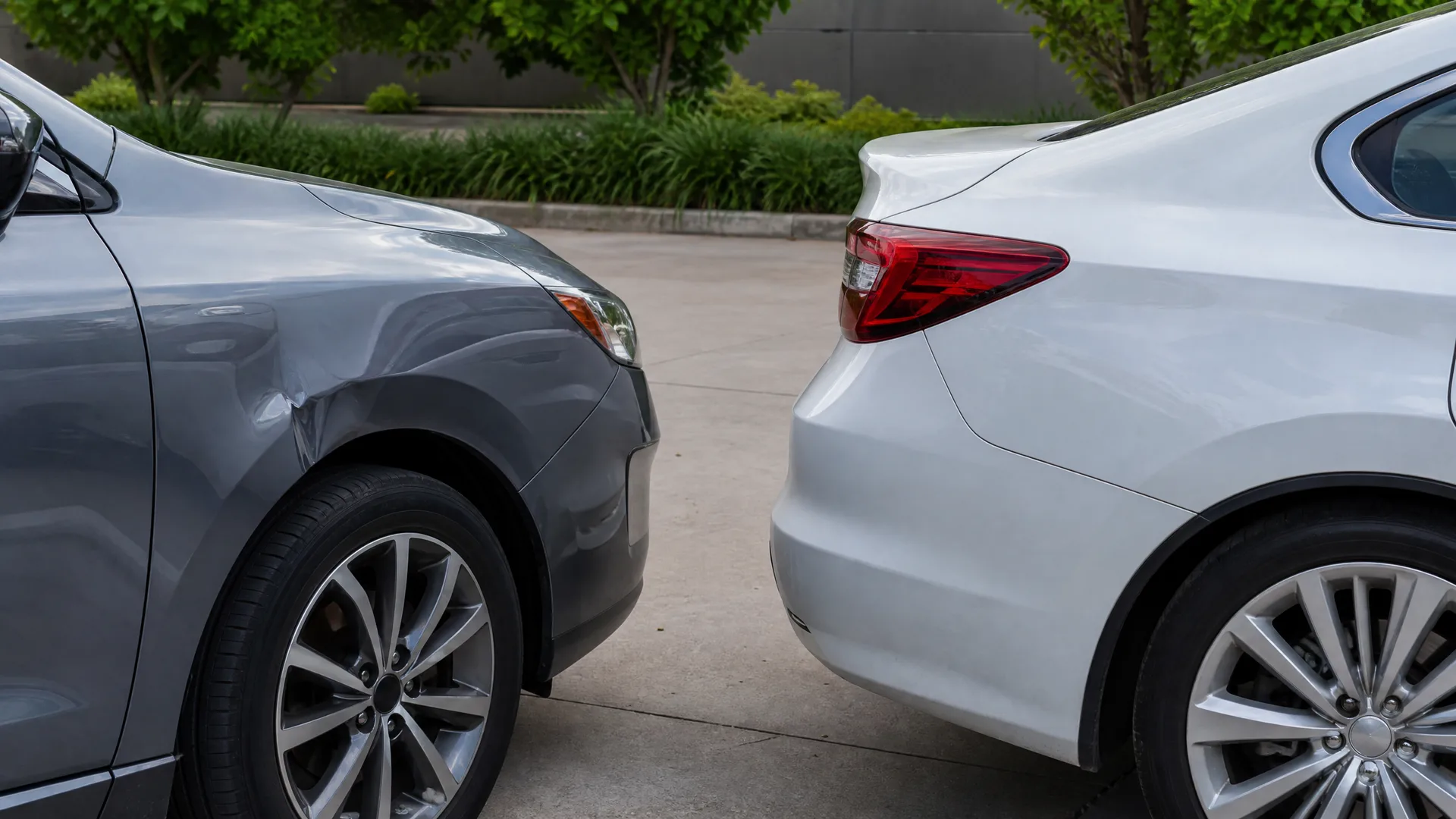
Once you know whether umbrella coverage fits your situation, you can compare quotes that reflect the liability limits you've actually decided to carry.
Questions people ask about this
How much umbrella coverage do I actually need?
It depends mainly on what you have to protect, not on any fixed rule. Add up your savings, investments, and home equity, since that's roughly what a serious lawsuit could put at risk. People with more assets to protect generally choose higher limits, and an agent can help you land on a specific figure based on your situation.
Does umbrella insurance cover my spouse driving the same car?
Yes, in most cases, a spouse living in your household is covered under the same umbrella policy. The policy typically extends to anyone listed on your auto policy or living with you, but it's worth checking your specific policy to confirm who's included.
Can I get umbrella insurance without raising my auto liability limits first?
Usually no, since umbrella insurers require your underlying auto and home policies to carry minimum liability limits before they'll issue a policy. This is because the umbrella coverage is designed to sit on top of those limits, not replace them. If your current limits are too low, you may need to raise them first.
Does umbrella insurance cover a car accident I caused in another state?
Generally yes, since umbrella coverage typically follows you wherever you drive, not just in your home state. Rules about how claims are handled can vary by state, so it's worth checking your policy or asking your insurer directly if you travel frequently.
Will my umbrella insurance rates go up if I get older?
Not typically because of age alone, though insurers may look at your driving record and any recent claims. Some insurers do ask about age when determining eligibility or pricing, so it varies by policy and is worth confirming directly with your insurer.