Umbrella Insurance for Seniors With a Pool
Umbrella insurance is a separate policy that adds extra liability protection above what your home and auto policies already cover, which matters most when a pool on your property raises the odds of a serious accident.
What umbrella insurance pays for
Covers
- Injuries beyond auto limits If a car accident you cause results in injuries that cost more than your auto policy's liability limit, umbrella coverage picks up the rest.
- Pool-related injury claims If a guest is hurt or drowns in your pool and your homeowners liability limit isn't enough, the umbrella policy covers the amount above that limit.
- Legal defense costs If you're sued over an injury on your property or in an accident, it pays for lawyers and court costs, even if the suit is eventually found to be without merit.
- Liability on other properties If you own a second home, rental property, or a boat, the same umbrella policy extends liability protection to those too.
- Claims against household members It typically covers you, your spouse, and other relatives living in your home if they're the one sued or at fault.
- Some claims your other policies exclude Certain liability situations, like slander or false arrest, fall outside home and auto policies but are picked up by many umbrella policies.
Doesn't cover
- Your own injuries Umbrella insurance pays for harm you're liable for causing to others, not injuries you yourself suffer in your pool or a crash.
- Damage to your own car or home Repairs to your own vehicle or house aren't part of this coverage. That's handled by your collision, comprehensive, or homeowners coverage.
- Everyday liability within your base limits If a claim is within what your home or auto policy already covers, the umbrella policy isn't triggered and doesn't pay anything.
- Business losses or professional liability If you run a business from home or still do consulting work, a separate professional liability policy covers claims related to that work.
- Intentional acts If you deliberately cause harm, no umbrella policy will pay the claim, regardless of the circumstances.
- Fines or criminal penalties If you're found criminally liable for something, like a DUI, the umbrella policy doesn't cover fines, penalties, or criminal defense.
For most seniors with a pool, it's worth keeping or adding
A pool changes the math on liability. Even careful owners can face a claim from a guest, a neighbor's child, or someone who wasn't even invited. The cost of defending a serious injury claim alone can outpace what a standard homeowners policy offers, long before any settlement is considered.
What matters most is how much you have to protect. If you own your home outright, have retirement savings, or hold other assets, a lawsuit could reach well past your auto or home liability limits and put those assets at risk. The less you have protected underneath an umbrella, the less this additional layer matters.
How much you still drive factors in too. If you're on the road often, visiting grandchildren across town or driving to appointments, your exposure to a serious at-fault accident doesn't disappear just because you're retired. Combined with a pool on the property, the odds of facing a liability claim from either direction are real.
If your home is modest, you carry little savings, and you rarely drive anymore, the case weakens. Umbrella coverage protects assets and future income. If there isn't much of either to protect, the extra layer matters less, though the pool itself still carries risk worth weighing on its own.
What happens when you actually use it
An umbrella policy doesn't pay until your underlying home or auto liability limit is used up first. If someone is hurt in your pool and the claim exceeds your homeowners liability limit, the umbrella policy covers the remaining amount, up to its own limit.
Most umbrella policies don't have a deductible in the usual sense, but some require a small retained amount you pay before the policy responds, separate from your home or auto deductible. Check your own policy for how that's structured.
A claim usually starts with your home or auto insurer, since the umbrella policy sits above those. Once the underlying limit is confirmed to be insufficient, the umbrella insurer gets involved, often providing its own legal defense team or working alongside the one already assigned.
Have your underlying home and auto policy documents ready, along with any incident reports, witness information, and correspondence from anyone threatening legal action. The faster your insurer understands the full picture, the faster they can determine whether the umbrella layer applies.
Umbrella insurance vs. increasing your liability limits
Umbrella Insurance
This is a separate policy that sits above your home and auto coverage, paying out only once those limits are exhausted. It typically offers a much higher limit than you could get by raising home or auto liability alone, and it extends across multiple properties and vehicles.
Raising Liability Limits
This means increasing the liability limit within your existing home or auto policy itself, rather than adding a new policy on top. It can close small gaps but tops out far below what an umbrella policy can provide.
If you have meaningful savings or own property outright, lean toward adding umbrella coverage rather than relying on higher limits alone.
Real situations
A neighbor's teenager dives into your pool at a summer gathering and suffers a serious head injury.
If the medical and legal costs exceed your homeowners liability limit, the umbrella policy covers the difference.
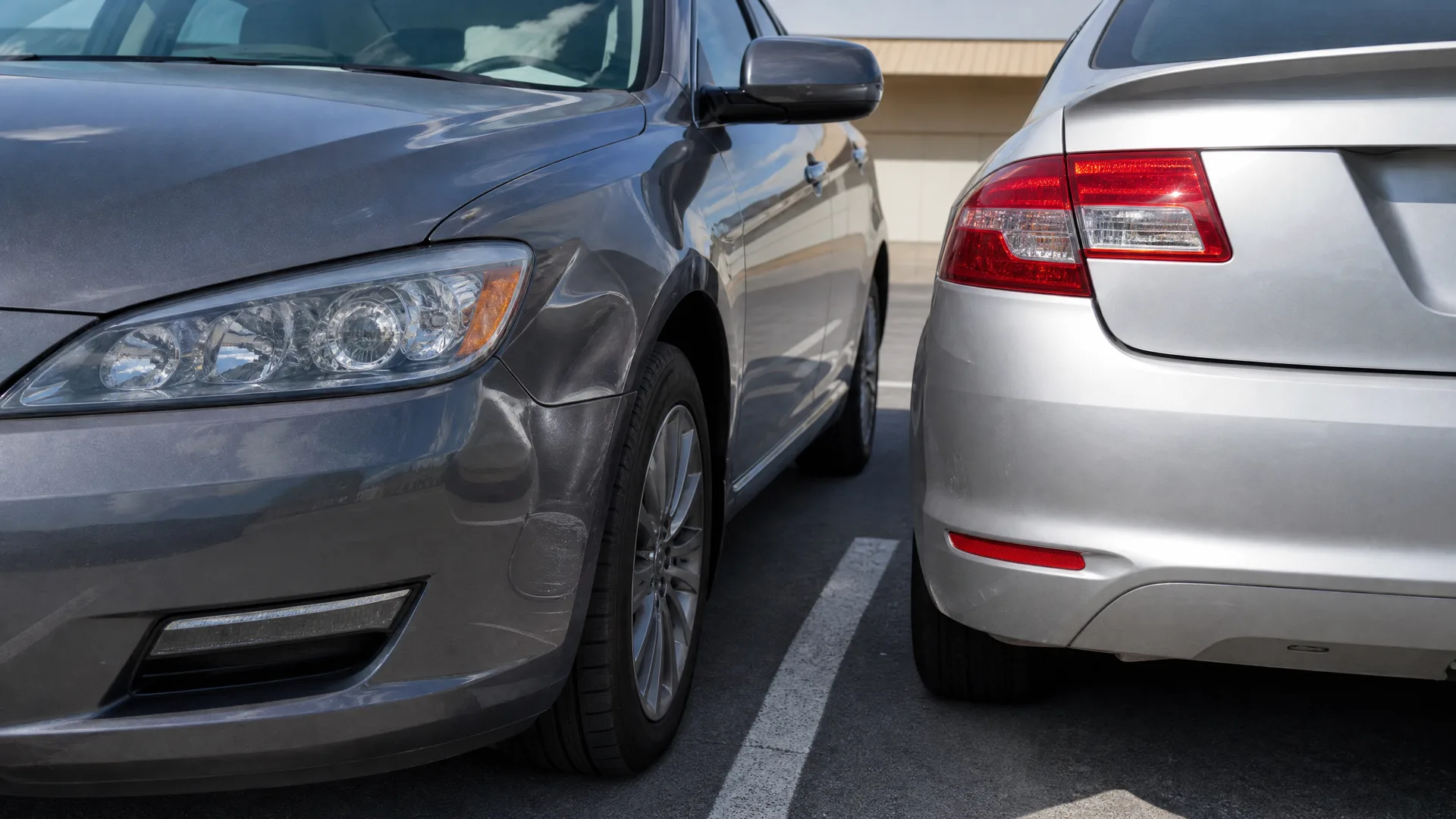
You're backing out of a parking space at the grocery store and clip another car, causing minor damage and no injuries.
This stays well within your auto liability limit, so the umbrella policy isn't triggered at all.
A guest slips on your wet pool deck, breaks a hip, and later sues you for ongoing medical costs and lost income.
If the settlement or judgment exceeds your home policy's liability limit, umbrella coverage pays the rest.
Now that you know whether umbrella coverage fits your situation, compare quotes to see what adding or adjusting it would actually cost.
Questions people ask about this
Do I need umbrella insurance if I don't have a pool anymore?
You may still want it, since liability risk from driving, guests on your property, or other activities doesn't disappear with the pool. Consider how much savings or property you still have to protect. If your overall assets are modest, the case for keeping it weakens regardless of the pool.
Will filling in my pool lower my umbrella insurance cost?
It might lower your homeowners premium, but umbrella pricing is usually based on your total liability exposure across home, auto, and other factors, not the pool alone. Ask your insurer directly how removing the pool affects your specific policy.
Can I get umbrella insurance without raising my auto liability limits first?
Usually not, since umbrella insurers require you to carry minimum underlying limits on both home and auto policies before they'll issue a policy. Check with your insurer about what minimum limits they require before applying.
Does umbrella insurance cover a grandchild who is often at my house?
Yes, typically, since umbrella coverage usually extends to relatives who live in your household, and it may cover liability claims involving visiting grandchildren as well. Confirm with your policy how it defines who's covered under your specific terms.
What happens to my umbrella policy if I stop driving entirely?
You can likely keep it, but your insurer may require you to maintain some minimum auto liability coverage even if you drive rarely. Ask whether dropping auto coverage entirely would affect your eligibility for the umbrella policy.