Umbrella Insurance for Dog Owners
Umbrella insurance is a separate policy that pays out after your car or home insurance limits run out, including when your dog causes an injury or bites someone.
What this coverage pays for
Covers
- Dog bite claims above your limit If a bite lawsuit costs more than your homeowners or renters liability limit, the umbrella policy covers the rest.
- Injuries your dog causes a driver If your dog gets loose and causes a crash, or startles someone into one, the umbrella can cover injury claims beyond your auto liability limit.
- Legal defense costs If you're sued over something your dog did, this can pay for a lawyer and court costs even if the case doesn't go anywhere.
- Property damage your dog causes If your dog damages a neighbor's yard, a visitor's car, or someone's belongings, this picks up costs beyond your base policy.
- Claims against household members If a grandchild or adult child living with you is involved in an incident with the dog, the policy usually covers them too.
Doesn't cover
- Your dog's vet bills This is a liability policy, not pet insurance, so injuries to your own dog are never covered here.
- The base liability amount Your homeowners, renters, or auto policy pays first up to its own limit, and the umbrella only picks up what's left.
- Breeds excluded by your insurer Some insurers won't write umbrella or underlying liability coverage for certain breeds, and that decision happens at the base policy, not here.
- Intentional acts If you deliberately used your dog to harm someone, that isn't an accident, and liability coverage doesn't apply to it.
- Damage to your own property If your dog chews up your own furniture or floors, that's a homeowners issue at most, not something an umbrella touches.

Worth it if you have savings or assets a lawsuit could reach
If you own a dog and you have any real savings, a paid off home, or investments, an umbrella policy is usually worth the cost. Dog bite and injury lawsuits can run far higher than a typical homeowners or auto liability limit, and a serious injury claim can reach into what you've spent decades building.
If you rent, have little in savings, and don't own much beyond a car, the math changes. There's less for a lawsuit to take, so the extra layer of protection matters less, though it's still inexpensive insurance against the stress of being sued.
How much you drive and where the dog usually is also matters. A dog that rides in the car with you, goes to a dog park, or meets a lot of strangers carries more exposure than one that stays in a fenced yard. If your dog has ever snapped at someone or has breed restrictions on your base policy, that's a sign to look at this more closely rather than less.
Your age doesn't reduce the risk here. If anything, a serious lawsuit later in life is harder to absorb than one in your thirties, since you have less working life ahead to rebuild savings.

How a claim actually works
An umbrella policy doesn't have its own deductible in the usual sense, but it does require that your underlying auto or homeowners liability coverage be maintained at a set level, and that policy pays first. Once that limit is used up, the umbrella picks up the remaining cost of the claim up to its own limit.
If someone is injured by your dog, you'd report it to your home or auto insurer first, since that's the policy that opens the claim. If the claim is large enough to approach your base policy's limit, your insurer will typically loop in the umbrella carrier, or you can notify them yourself once you know the claim is serious.
Have your base policy information ready, along with any details about the incident: when it happened, who was involved, and any medical or legal paperwork you've received. If you're sued, send the lawsuit paperwork to your insurer right away rather than waiting, since missing a response deadline can hurt your defense.
The payout covers the injured person's medical costs, lost income, or property damage, and your legal defense, up to the umbrella limit. It doesn't cover your own losses or your dog's medical care.
Umbrella insurance vs. homeowners liability coverage
Umbrella Insurance
This is a separate policy that sits on top of your homeowners, renters, or auto liability coverage and pays out once those limits are used up. It usually covers a broader range of situations and a much higher limit, but only after the base policy is exhausted.
Homeowners Liability Coverage
This is the liability portion built into your homeowners or renters policy, and it's the first line of coverage for a dog bite or injury claim. It has a lower limit and sometimes excludes certain breeds outright.
If you have modest savings and a low liability limit on your home policy, raising that limit may do more for you than an umbrella; if you have significant assets, you likely need both.
Real situations
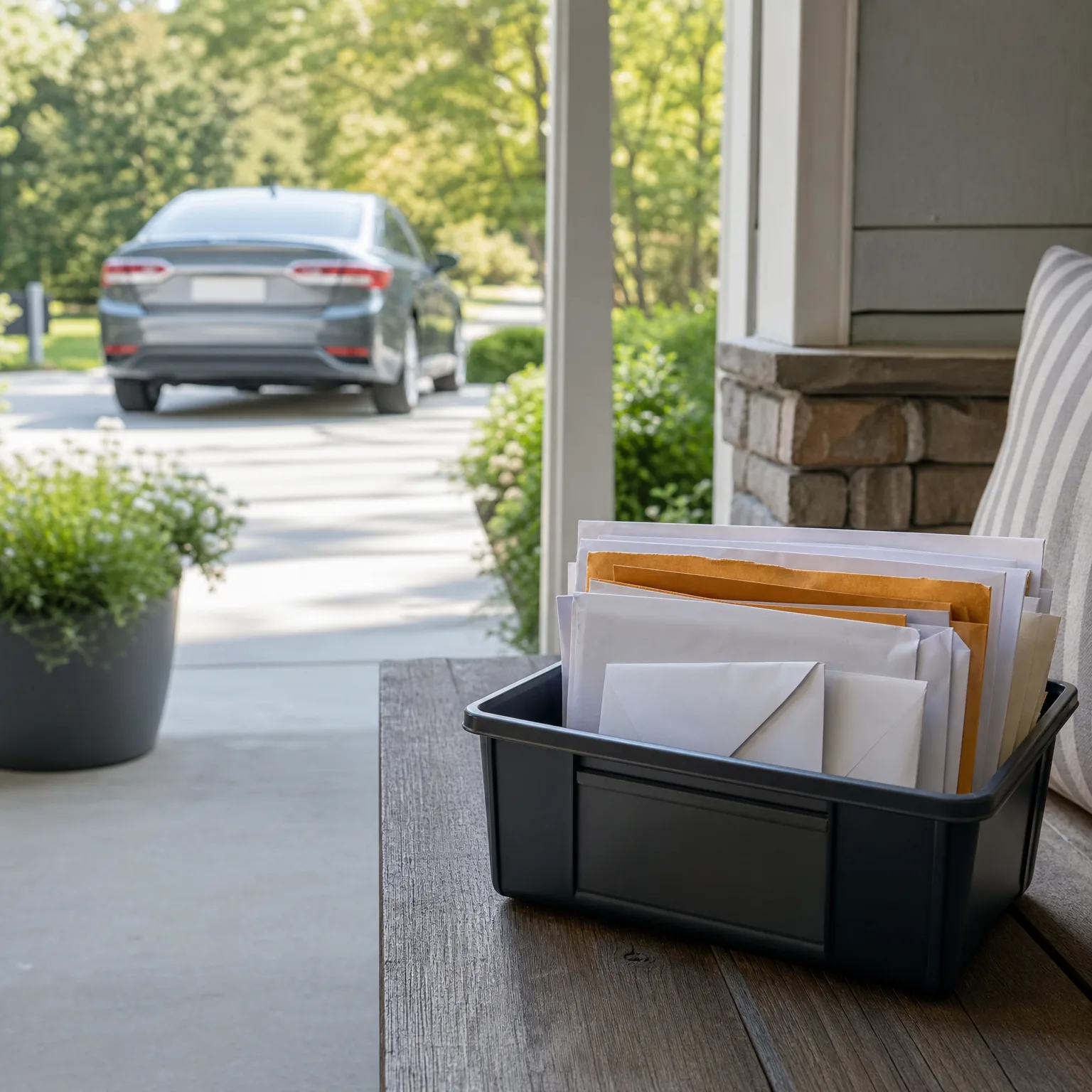
Your dog slips out the front door while a mail carrier is at the porch and bites them, leading to a lawsuit for medical costs and lost wages.
This pays if the claim exceeds your homeowners liability limit, covering the remaining cost of the settlement or judgment.
Your dog jumps into the front seat and startles you while driving, causing a minor fender bender with no injuries.
This likely doesn't pay, since the damage is small and would stay within your regular auto liability limit.
At a dog park, your dog gets into a fight with another dog and the owner is bitten trying to break it up, resulting in a large medical and legal claim.
This pays once your base liability limit is used up, covering the rest of the injured person's costs and your legal defense.
Once you know whether umbrella coverage fits your situation, you can compare quotes with that decision already made.
Questions people ask about this
Does umbrella insurance cover my dog if it's an aggressive breed?
Sometimes, but it depends on what your underlying homeowners or renters policy allows, since the umbrella typically follows the same breed rules. If your base policy excludes a breed, the umbrella usually won't step in either. Check your declarations page or ask your agent directly which breeds are listed as excluded.
How much umbrella coverage do I need as a dog owner?
There's no fixed amount that fits everyone, and it depends on what you'd have to lose in a lawsuit, including savings, home equity, and other assets. People with significant assets often choose higher limits, while those with fewer assets may need less. An agent can help you match the limit to what you actually have at risk.
Will my umbrella policy drop me after a dog bite claim?
It's possible, since insurers can choose not to renew a policy after a claim, though this varies by insurer and by state. Some states limit how and when a policy can be non-renewed. Ask your insurer directly what their policy is on renewals after a liability claim.
Can I get umbrella insurance if my homeowners policy already excludes my dog?
Usually not for that specific risk, since umbrella coverage generally requires the underlying policy to provide at least some coverage for the situation. If your homeowners policy excludes your breed entirely, the umbrella likely won't cover a bite claim either. You may need a separate liability policy specifically for dog-related incidents, which some insurers offer.
Does it matter where my dog usually stays, like a yard versus inside with me in the car?
Yes, how and where your dog spends time affects your actual risk, even though it may not change your premium directly. A dog that regularly rides in the car or visits public places has more opportunities to cause an incident than one that stays in a fenced yard. This is worth mentioning to your agent so your coverage matches how you actually live with your dog.