Umbrella Insurance After Downsizing
Umbrella insurance is extra liability coverage that kicks in after your car and home policies max out, protecting savings and assets beyond what those policies pay.
What it pays for once it kicks in
Covers
- Liability above your auto limit If a crash claim exceeds what your car policy pays, the umbrella policy covers the rest up to its own limit.
- Liability above your home limit Same idea for a fall or injury on your property that costs more than your homeowners policy covers.
- Legal defense costs If you're sued over an accident, the umbrella policy can pay for lawyers and court costs, often separate from its payout limit.
- Some personal liability off the road Many umbrella policies also cover things like a dog bite or an injury at a rental property you own, not just driving.
- Slander or libel claims Some policies extend to being sued for something you said or wrote, which standard auto and home policies don't touch.
Doesn't cover
- Your own car's damage Umbrella coverage is liability only, so damage to your own vehicle still depends on your collision or comprehensive coverage.
- Your own medical bills Your injuries after a crash are handled by your health insurance or medical payments coverage, not the umbrella policy.
- Everyday small claims The umbrella policy doesn't engage until the underlying auto or home liability limit is used up, so small claims never reach it.
- Intentional acts If you caused harm on purpose, the umbrella policy won't pay, the same as any liability coverage.
- Business use of your car If you're paid to drive, like deliveries or ridesharing, that usually falls outside personal umbrella coverage and needs its own policy.
For most people who've downsized, it's still worth keeping
Downsizing the car doesn't downsize what you could be sued for. A smaller, older, paid-off car costs less to replace, but a lawsuit after a serious crash is about the other person's injuries and losses, not your car's value.
What matters more is what you have to protect. If you own a home, have savings, or expect to leave something to family, a bad accident could put all of that at risk if your auto liability limit isn't enough to cover it. Umbrella coverage is what stands between a lawsuit and your actual assets.
How much you drive now also factors in. If you've cut back to short local trips, your exposure is lower than it used to be, but it isn't zero. One bad moment at an intersection you've driven for forty years is still enough to trigger a serious claim.
Where the car sits matters less than how it's driven. A car that mostly stays in the driveway still has to go to the doctor, the grocery store, and to see grandchildren, and any of those trips carries the same liability exposure as it always did.
How a claim against the umbrella policy actually goes
The umbrella policy doesn't pay until your underlying auto or home liability limit is exhausted. You first have to meet the requirements of that underlying policy, which usually means carrying at least a minimum liability limit as a condition of having the umbrella policy at all.
Once the underlying limit is used up, the umbrella insurer steps in and covers the remaining judgment or settlement up to its own limit. There's typically no separate deductible on the umbrella policy itself, though some policies have a small retained amount for claims that don't involve an underlying policy.
If you're sued, have your auto and home policy numbers ready along with any correspondence from the other side. The insurers for your underlying policies and your umbrella policy usually need to coordinate, so keeping the paperwork in one place saves time.
What you get is a payout toward the judgment or settlement, not reimbursement for your own losses. It's built entirely around protecting what you own from someone else's claim against you.
Umbrella insurance compared to raising your liability limits
Umbrella Insurance
Umbrella coverage sits above your auto and home policies and pays out after those limits are used up. It covers both auto and home liability with one broader policy, usually at a higher limit than either underlying policy offers alone.
Higher Auto Liability Limits
Raising your auto liability limit increases what your car policy itself pays before anything else would apply. It only covers driving-related claims, not something that happens at your home.
If you own a home and have meaningful savings, umbrella coverage protects more ground for what it costs; if driving is your only real exposure, raising your auto limit alone may be enough.
Real situations
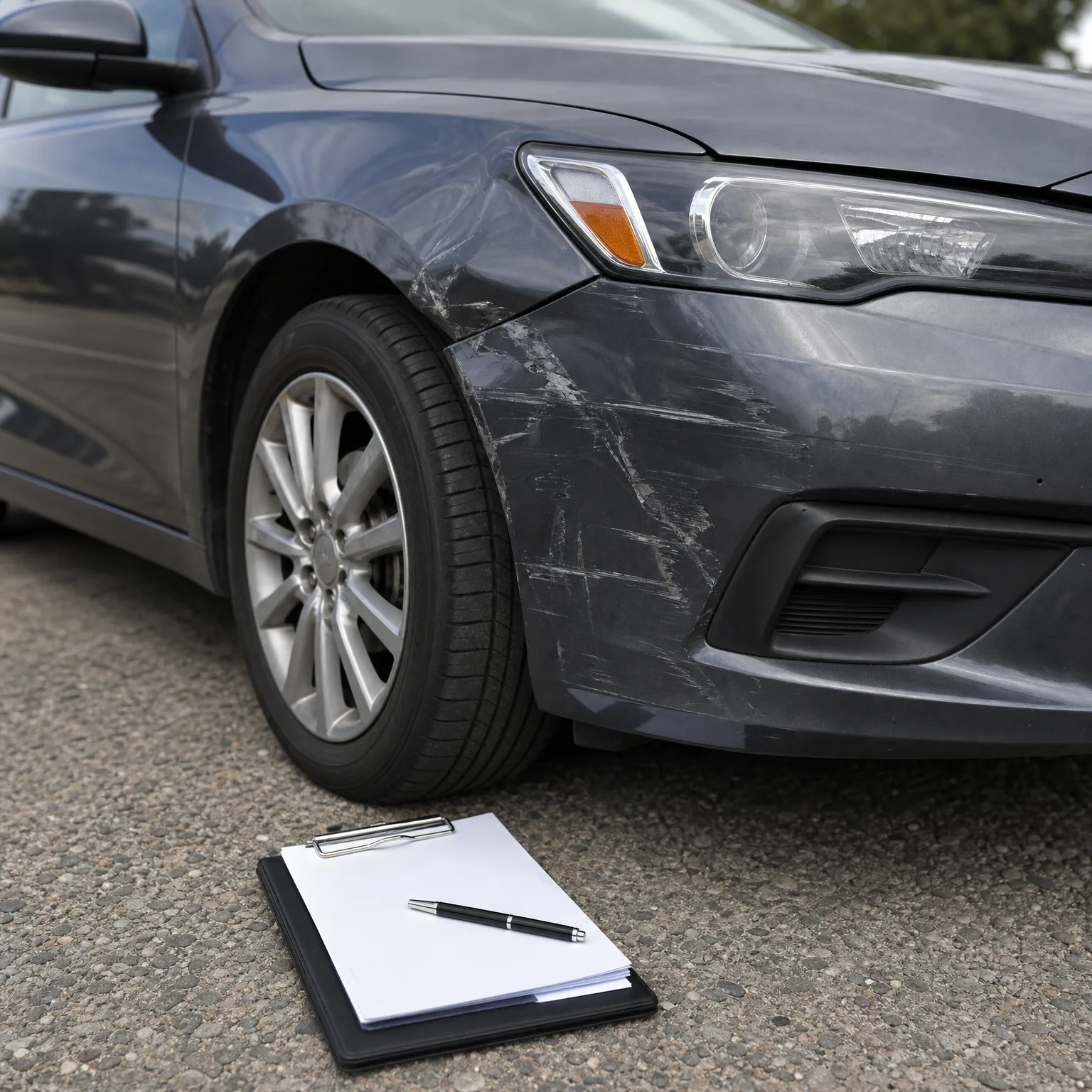
You're pulling out of a church parking lot after a service and misjudge the distance, clipping another car and causing a passenger inside to need surgery.
If the medical costs exceed your auto liability limit, the umbrella policy pays the remainder.
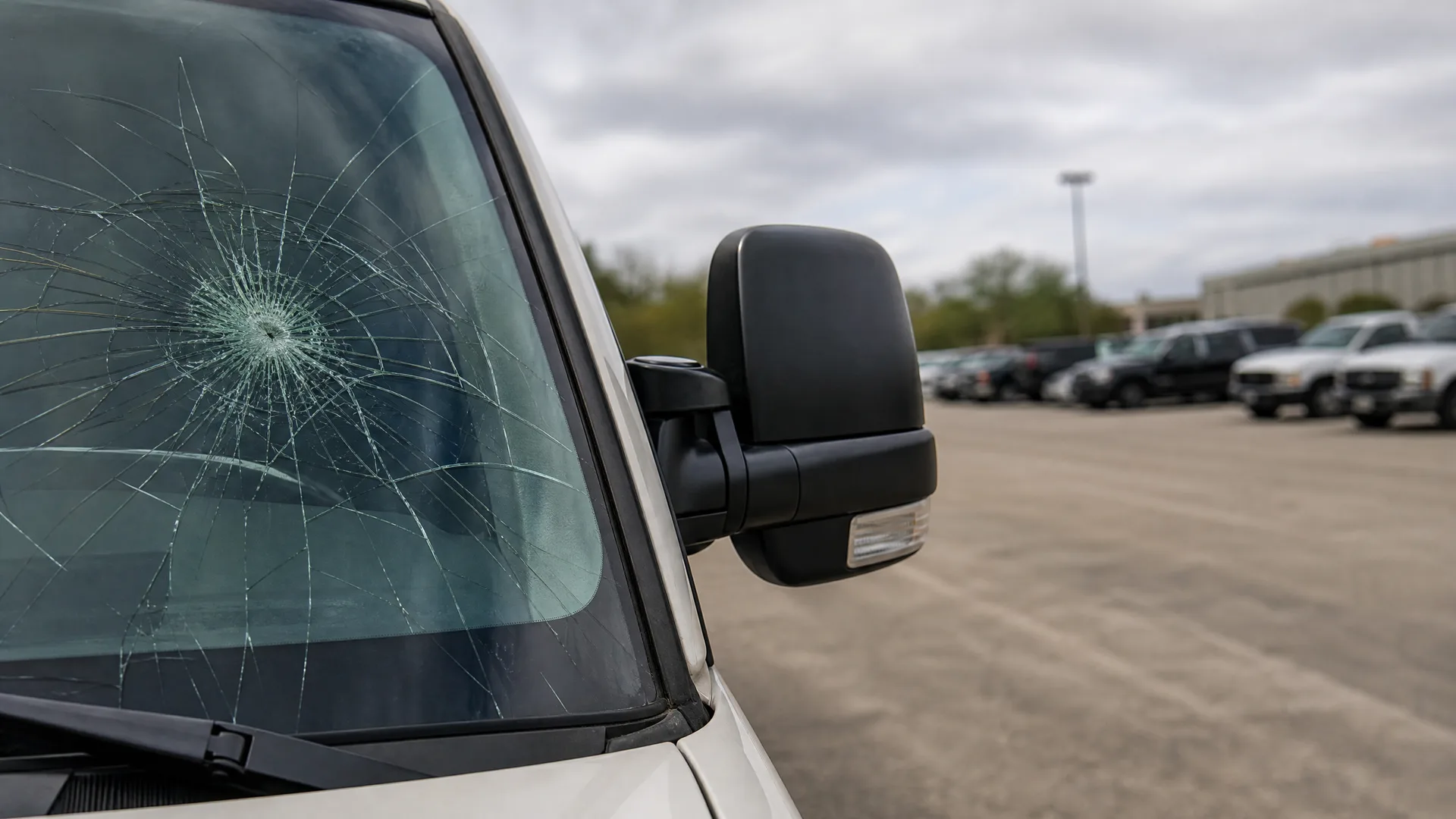
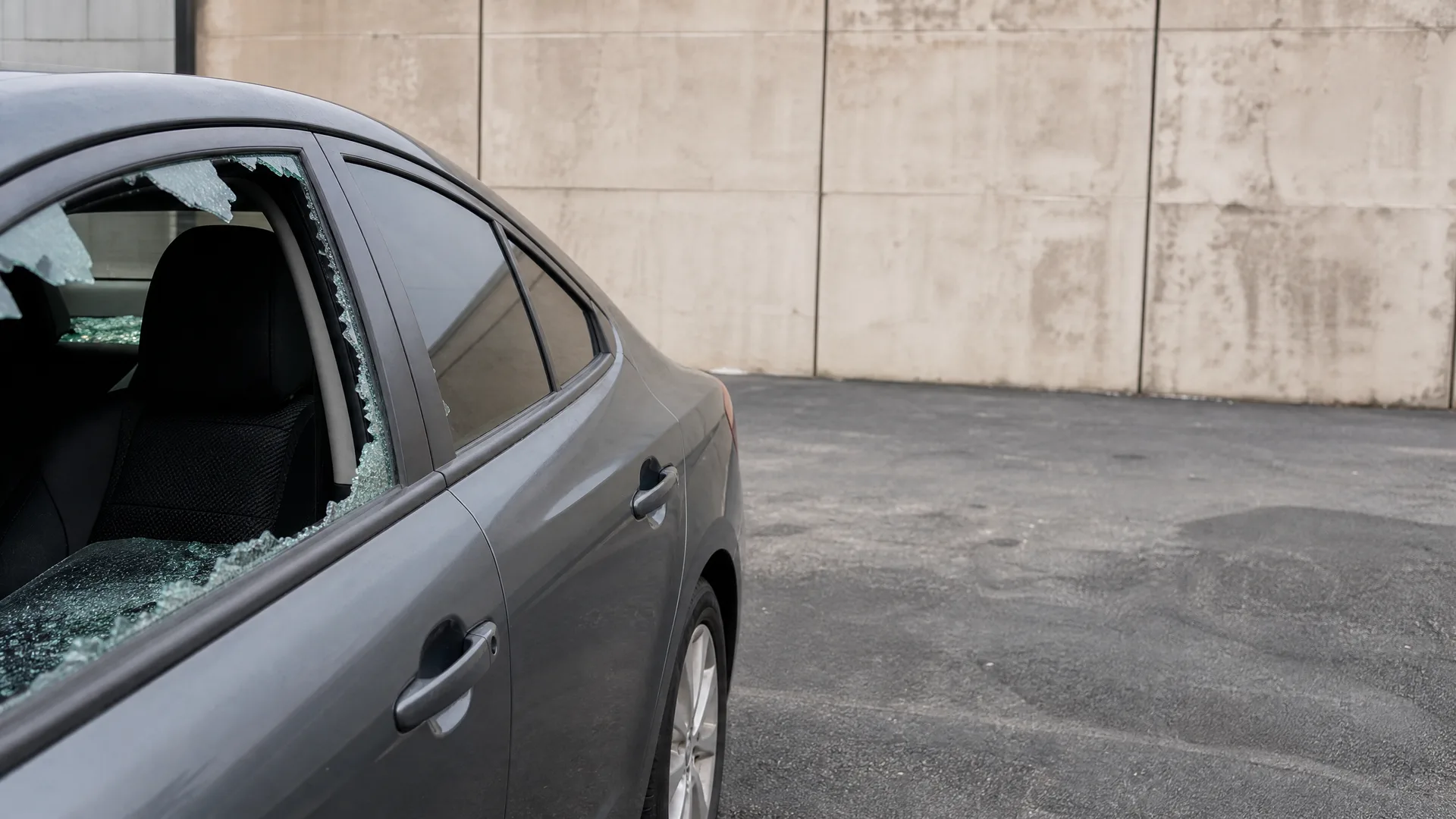
A hailstorm hits while your car is parked outside your home, denting the hood and cracking a window.
This doesn't pay, since it's damage to your own car and falls under comprehensive coverage instead.
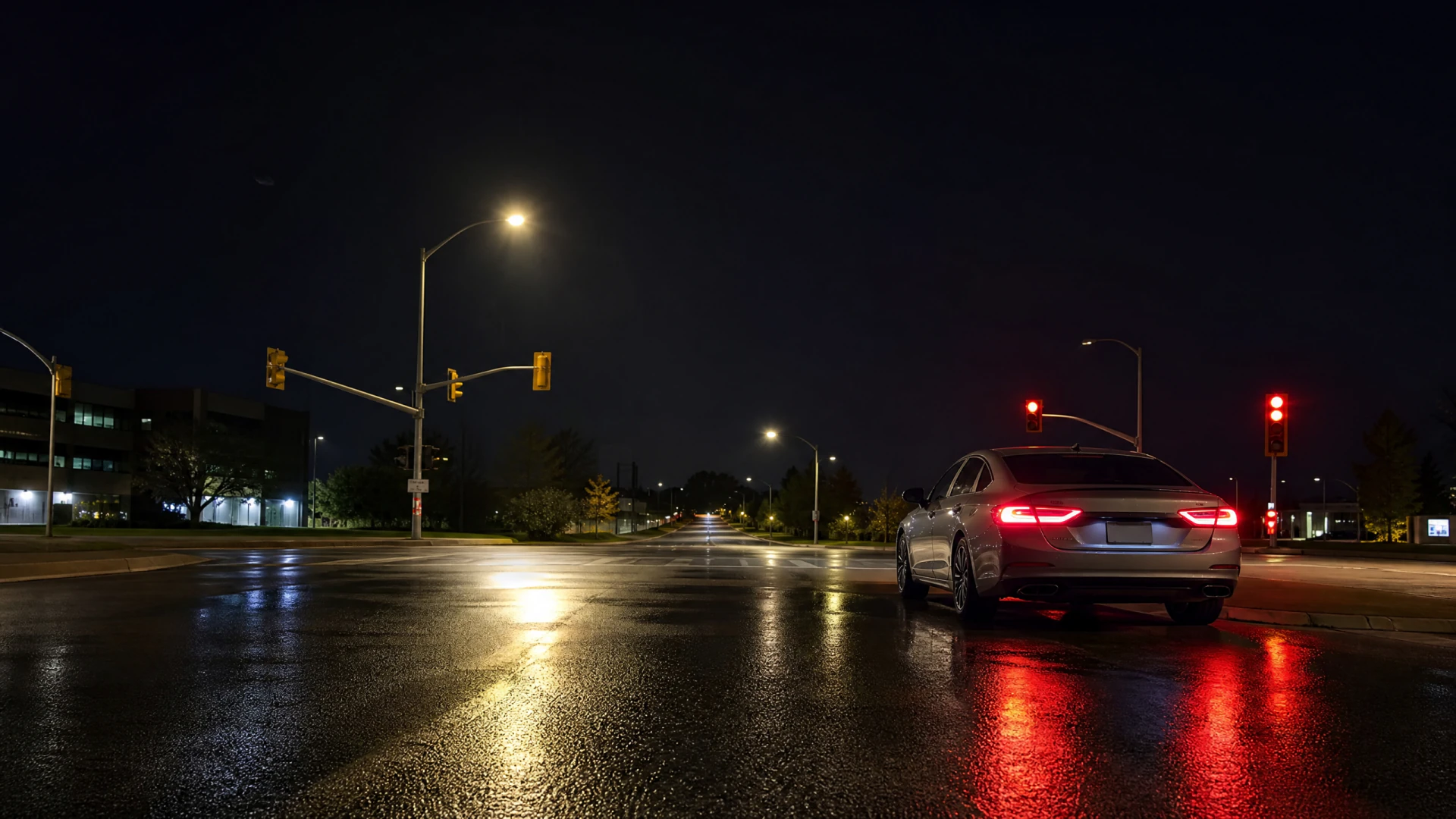
You swerve to avoid a deer on a dark county road at dusk and end up in the other lane, causing a crash with oncoming traffic.
If you're found liable and the claim exceeds your auto limit, the umbrella policy covers the rest.
Once you know whether umbrella coverage still earns its place after downsizing, you can compare quotes with your underlying liability limits already decided.
Questions people ask about this
Do I need umbrella insurance if I don't own a home?
You can still benefit from it, since umbrella coverage protects savings and future income, not just a house. Renters with meaningful assets or retirement accounts face the same lawsuit exposure as homeowners. The policy doesn't require home ownership, it just often gets paired with a home policy as the underlying coverage.
How much umbrella coverage should a retired person carry?
That depends on what you have to protect, not on your age. Add up your savings, investments, and any home equity, and that total gives you a sense of what's actually at risk in a lawsuit. Many people choose a limit that roughly matches or exceeds their net worth.
Can I get umbrella insurance without full coverage auto insurance?
Usually not, since umbrella insurers require you to carry certain minimum liability limits on your auto and home policies first. If you've dropped to a bare-bones auto policy, you may need to raise liability limits before an umbrella insurer will offer you a policy. Check with your insurer about their specific underlying requirements.
Does umbrella insurance cover a car I rarely drive?
Yes, as long as the car is insured under a qualifying auto policy, how often you drive it doesn't change umbrella eligibility. The coverage follows the liability exposure from driving, not the frequency. A car that sits most of the year still needs the same underlying policy in place.
What happens to umbrella insurance if I stop driving entirely?
If you give up your car entirely, the auto portion of your underlying coverage goes away, but umbrella coverage tied to your home policy can often continue on its own. You'd want to confirm with your insurer whether dropping auto coverage affects your umbrella eligibility. Many people keep the umbrella policy in place for home and other liability even after they stop driving.