Excess Liability Coverage for Seniors
Excess liability coverage pays for damage or injury claims against you once your auto policy's liability limits run out.
What it pays for
Covers
- Claims above your limits If a lawsuit or medical bill exceeds what your auto policy covers, this picks up the rest, up to its own limit.
- Injuries to other people Serious injury claims from a crash you caused can outgrow standard liability limits fast, and this fills that gap.
- Property damage you caused If you damage someone's car, home, or fence beyond what your auto policy pays, this covers the remainder.
- Legal defense costs If you're sued over an accident, this can pay for your legal defense even if the suit is eventually found groundless.
- Liability away from the car Many policies bundle this with coverage for incidents on your property or elsewhere, not just driving.
Doesn't cover
- Damage to your own car Your own vehicle's repairs come from collision or comprehensive coverage, not this.
- Your own medical bills Your own injuries are handled by health insurance, medical payments coverage, or personal injury protection, depending on your state.
- Intentional acts If you caused harm on purpose, this coverage won't pay, and neither will your underlying liability policy.
- Business losses Claims tied to a business you run usually need separate business liability coverage.
- The first layer of any claim This only starts paying after your auto or home liability limits are used up, not from the first dollar.
For most older drivers with real assets to protect, yes, it's worth keeping
The decision usually comes down to what you have that a lawsuit could reach. If you own your home outright, have retirement savings, or hold other investments, a serious accident could put all of that at risk without this extra layer. Someone with few assets and modest income has less to protect, and the math changes.
How much you drive matters too. If you've cut back to short trips around town, your exposure is lower than someone who still drives long distances regularly or drives at night. Less time on the road means fewer chances for a catastrophic claim, though it never reaches zero.
Think about what a serious injury claim actually costs. A single bad accident involving another driver or a pedestrian can produce medical bills and lost-income claims that blow past ordinary liability limits quickly, especially if the other person is seriously hurt. That gap is exactly what this coverage exists to close.
If you're on a fixed income and have little in savings or property, the calculus is different. You may decide the premium isn't worth it because there's less for a lawsuit to collect. That's a fair call to make once you've looked honestly at what you own.
What happens when you actually use it
This coverage sits behind your other policies, so a claim has to first exhaust the liability limits on your auto or home insurance before this one pays anything. There's no separate deductible in the usual sense, your underlying policy limit functions as the threshold.
When a claim is large enough to reach this layer, the insurer that holds this policy typically gets involved early, often before the underlying claim is even settled. They'll want to see the police report, the other party's claims, and how the underlying insurer is handling things.
The payout covers the judgment or settlement amount above your base limits, up to this policy's own limit, plus legal defense costs in many cases. It won't cover damage to your own car or your own injuries, those come from other parts of your policy.
Have your auto and home policy documents on hand, along with any accident report and correspondence from the other party's attorney or insurer. Acting quickly and keeping your insurer informed as the underlying claim develops tends to make this go more smoothly.
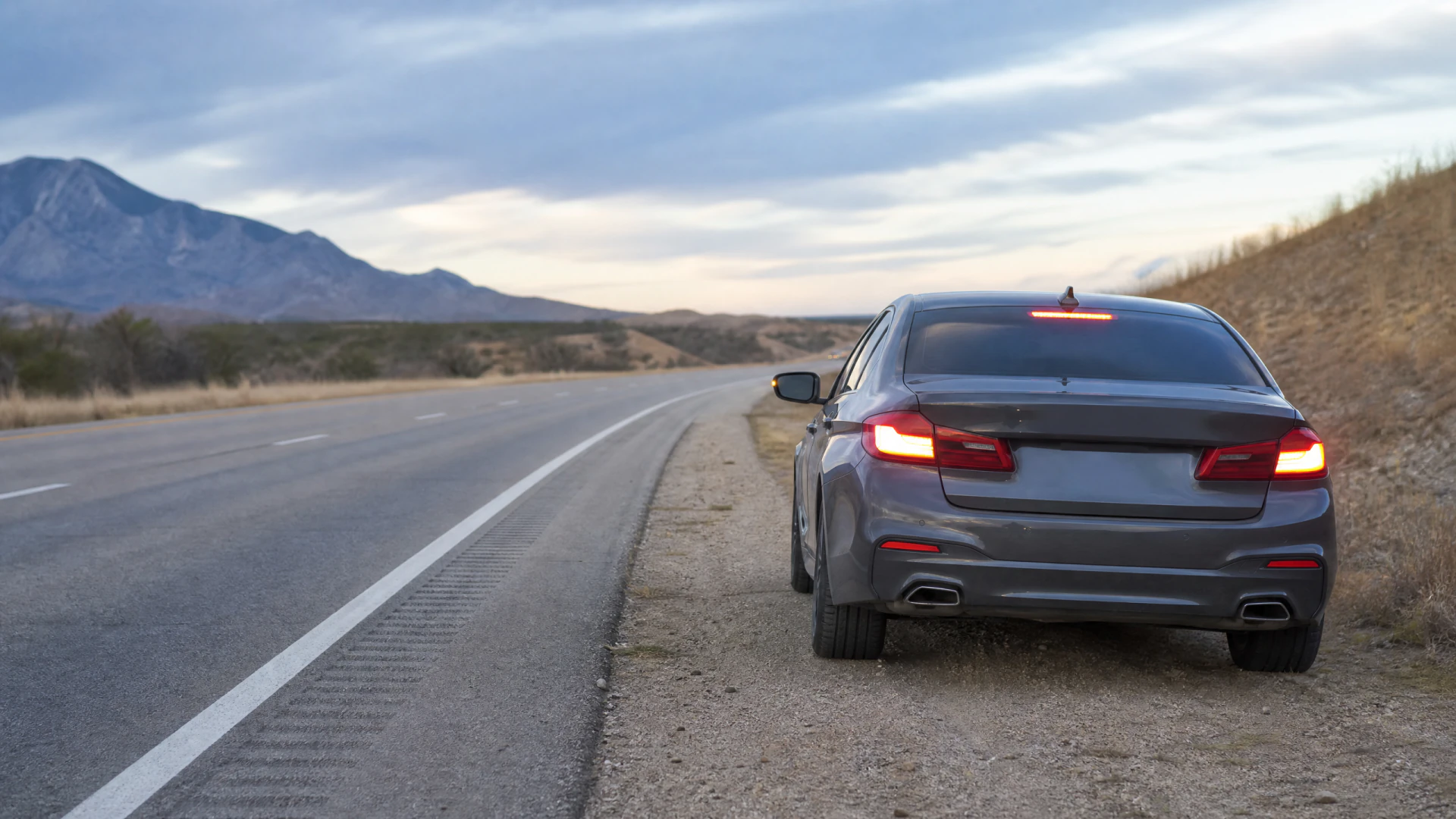
Excess liability vs. umbrella liability
Excess liability
This raises the limits on one specific policy, usually your auto policy, and only pays after that policy's own limit is used up. It generally doesn't add new kinds of coverage, just more of what you already have.
Umbrella liability
An umbrella policy sits above several policies at once, often your auto and home together, and it can cover some situations neither underlying policy handles on its own. It usually requires minimum limits on those underlying policies to qualify.
If you want broader protection across your home and auto in one policy, lean toward umbrella; if you just want more cushion on the auto policy you already have, excess liability is simpler.
Real situations
You're pulling out of a parking lot after church and you clip a pedestrian crossing behind your car, causing a serious injury.
If the injury claim exceeds your auto liability limit, this coverage pays the remainder up to its own limit.
A hailstorm rolls through while your car is parked at the grocery store and dents the hood and cracks the windshield.
This doesn't pay here, since there's no liability claim against you; comprehensive coverage handles storm damage to your own car.
You swerve to avoid a deer on a county road at dusk and hit a fence and a parked tractor instead.
If the property damage claim against you tops your liability limit, this coverage covers the excess amount.
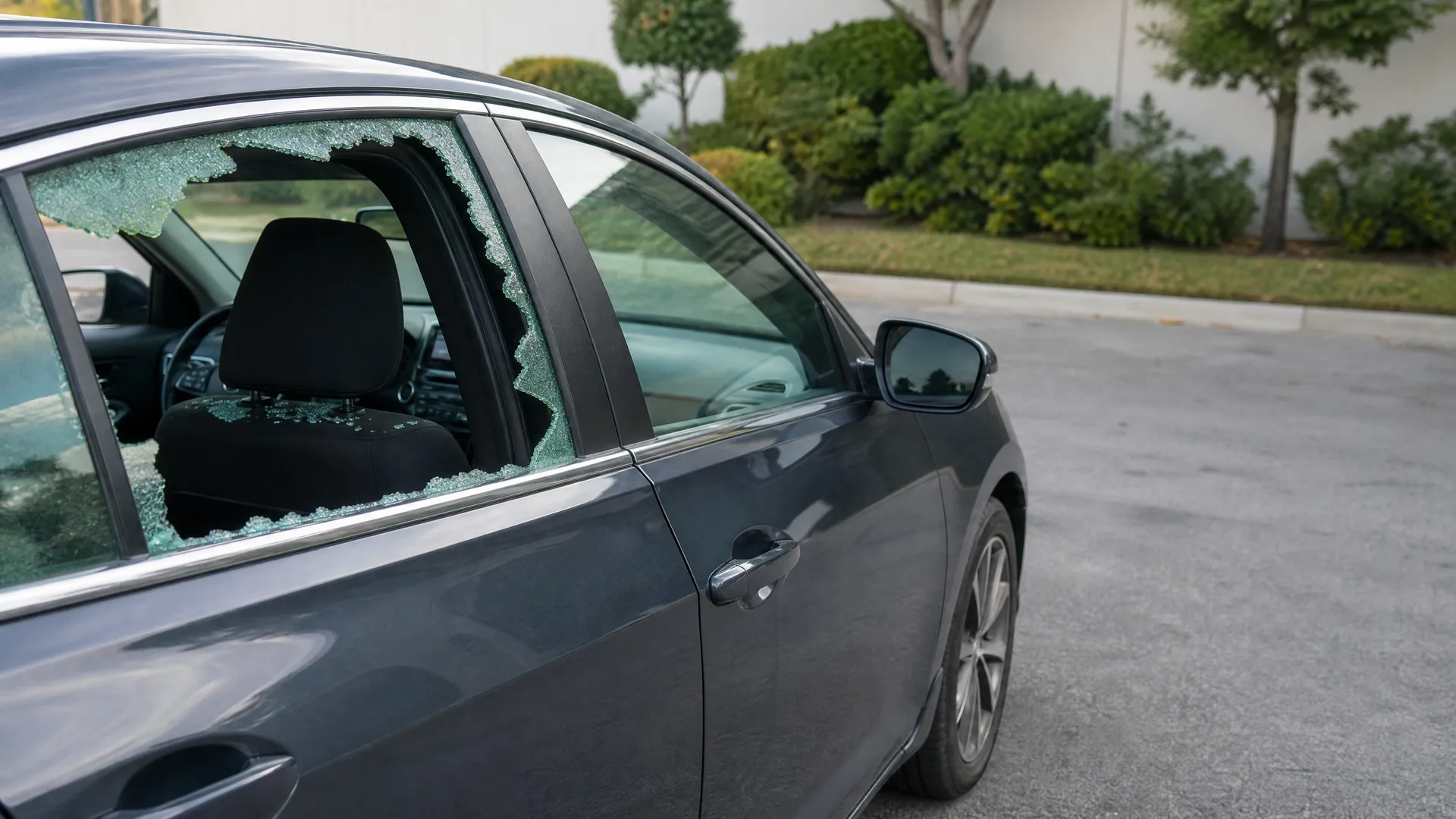
Once you know whether this extra layer makes sense for what you own and how you drive, you can compare quotes that already match the limits you actually want.
Questions people ask about this
Do I need an umbrella policy if I already have excess liability coverage?
Not necessarily, but they serve different purposes. An umbrella policy typically covers more than one underlying policy and can include situations excess liability on your auto policy alone won't reach. Check what each one in your policy actually covers before assuming you're doubly protected.
Can I get excess liability coverage without raising my auto liability limits?
Usually there's a minimum underlying limit required before an insurer will sell you this coverage. Insurers set this minimum so there isn't a wide gap for them to cover. Ask your agent what your current limits qualify you for.
Does my driving record affect the cost of this coverage?
Yes, insurers look at your driving history when pricing this coverage, since it affects how likely you are to cause a large claim. A clean record over recent years generally works in your favor. Ask how far back they look when pricing it.
What happens to this coverage if I stop driving entirely?
If you no longer drive, the auto portion of your exposure drops, but you may still want liability protection tied to your home or property. Talk to your agent about whether to restructure the coverage rather than drop it outright. Some older drivers keep a reduced version rather than canceling completely.
Is this coverage required by law?
Whether any extra liability coverage is required, or even offered as a standalone option, varies by state. Some states only allow it bundled with an umbrella policy. Check your own policy or ask your agent what's available where you live.