Protecting Your Savings in Retirement
The biggest threat to your savings isn't a crash, it's paying more than you need to for coverage you've outgrown or still need.
Shop your coverage, don't just renew it
Protecting your savings in retirement means not letting your car insurance bill rise on its own while your driving habits and needs change. Insurers raise rates for reasons that have nothing to do with you personally, and the only way to know if you're still getting a fair price is to check.
For drivers 65 and older, this matters more because rates can move in either direction. Some insurers raise prices as drivers age. Others offer discounts for low mileage, defensive driving courses, or bundling that weren't available or useful earlier in life. Which applies to you depends on your insurer and your state, so the only way to protect your savings is to compare what's actually on offer now.
How much you drive now
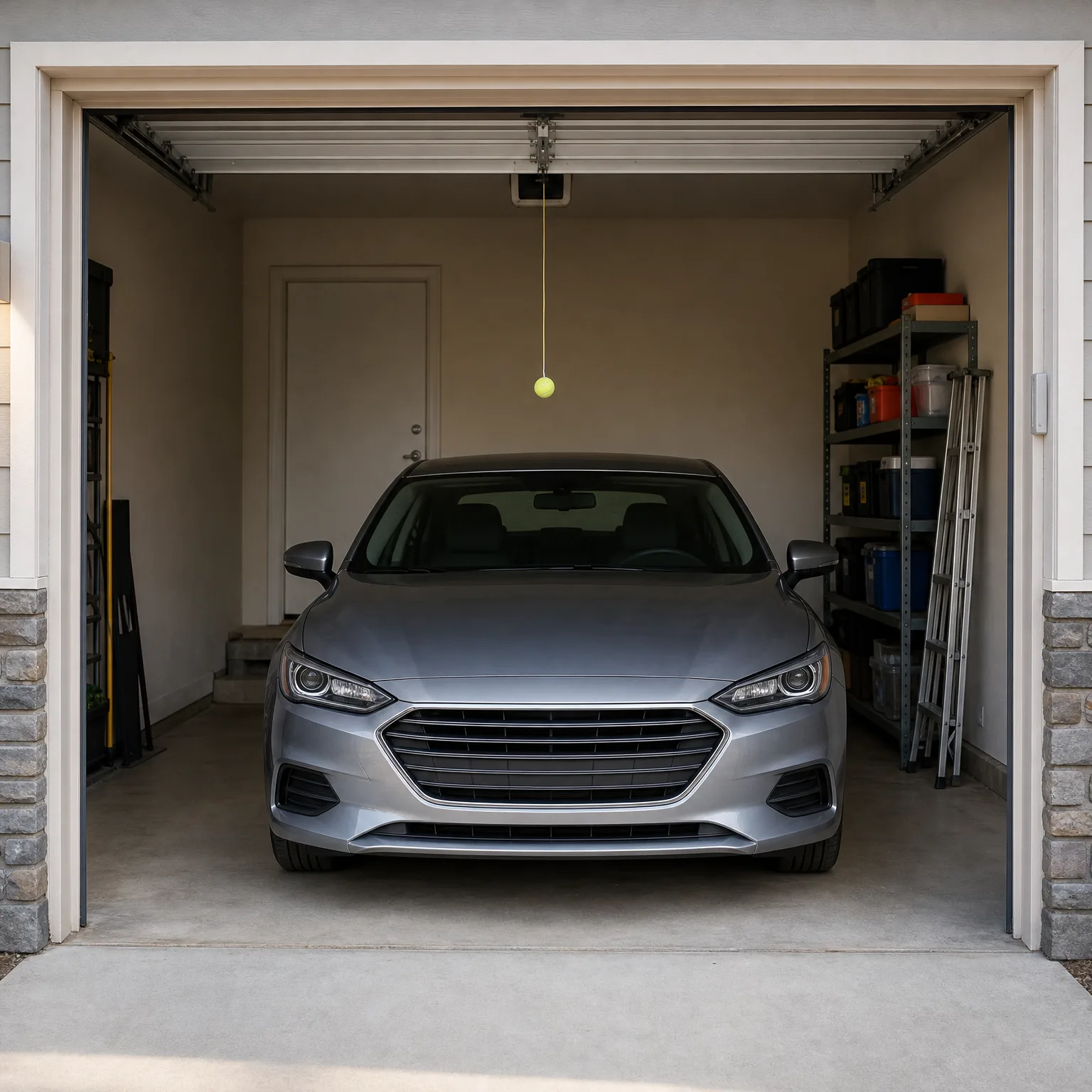
Many people drive less after they retire. No commute, fewer errands tied to a work schedule, maybe a move somewhere smaller. If your mileage has dropped, say so. Some insurers offer lower rates for low annual mileage, and you won't get that rate automatically. You have to tell them your mileage has changed or ask directly if they have a low-mileage discount.
If you're not sure how much you drive in a year, check your odometer reading from a year ago against today, or look at a recent oil change receipt that lists mileage. That number is worth knowing before you call anyone.
This also matters if you've added a second car to the household or dropped one. Fewer cars or fewer miles on each one changes what a fair premium looks like, and it's worth asking your insurer directly rather than assuming they'll notice on their own.
Whether you've taken a defensive driving course
Many states require insurers to offer a discount to older drivers who complete an approved defensive driving or mature driver course. Whether this applies to you depends on your state, so check with your state's insurance department or your own insurer about what's required and what course qualifies.
Even where the discount exists, you usually have to send the insurer your certificate yourself. Finishing the course isn't enough. The insurer won't apply it until they have proof, so hold onto that certificate and send a copy in, by mail, email, or through your online account, whatever your insurer accepts.
These courses can also be worth taking even without a guaranteed discount, since they're a chance to refresh on rules that have changed since you first learned to drive. But if saving money is the goal, confirm the discount applies in your state before you sign up, and ask your insurer how long the certificate is valid for, since some require you to retake the course periodically to keep the discount.
Questions people ask about this
Will my car insurance go up just because I'm older?
It depends on your insurer and your state. Some insurers price older drivers higher after a certain point, while others hold steady or even lower rates if your driving record stays clean. Ask your insurer directly how age factors into their pricing, since it isn't the same everywhere.
Should I drop collision coverage on an older car to save money?
This depends on what your car is worth and what you could afford to replace it with. If your car's value has dropped well below what you'd pay in premiums for collision coverage over time, it may not be worth carrying. Check your car's current value and ask your insurer what your collision premium actually costs you each year before deciding.
Does my insurance rate change if I stop driving regularly?
It can, but only if you tell your insurer. Lower mileage can qualify you for a discount with some insurers, but they typically don't adjust your rate unless you report the change yourself. Ask what proof they need, such as an odometer reading or a mileage tracking program.
Can I keep my insurance rate from rising every year?
You can't stop an insurer from adjusting rates, but you can make sure you're not overpaying by comparing your renewal price against what other insurers would charge for the same coverage. Rates change company to company even for identical drivers, so checking at renewal time is the only real control you have.
What happens to my insurance if I give up my license later on?
If you stop driving entirely, you can cancel your auto policy, though you may want to keep minimal coverage if you still own the car or let someone else drive it occasionally. Ask your insurer what your options are if you stop driving but keep the car, since policies vary on this.
See what other insurers would charge for the coverage you have now.
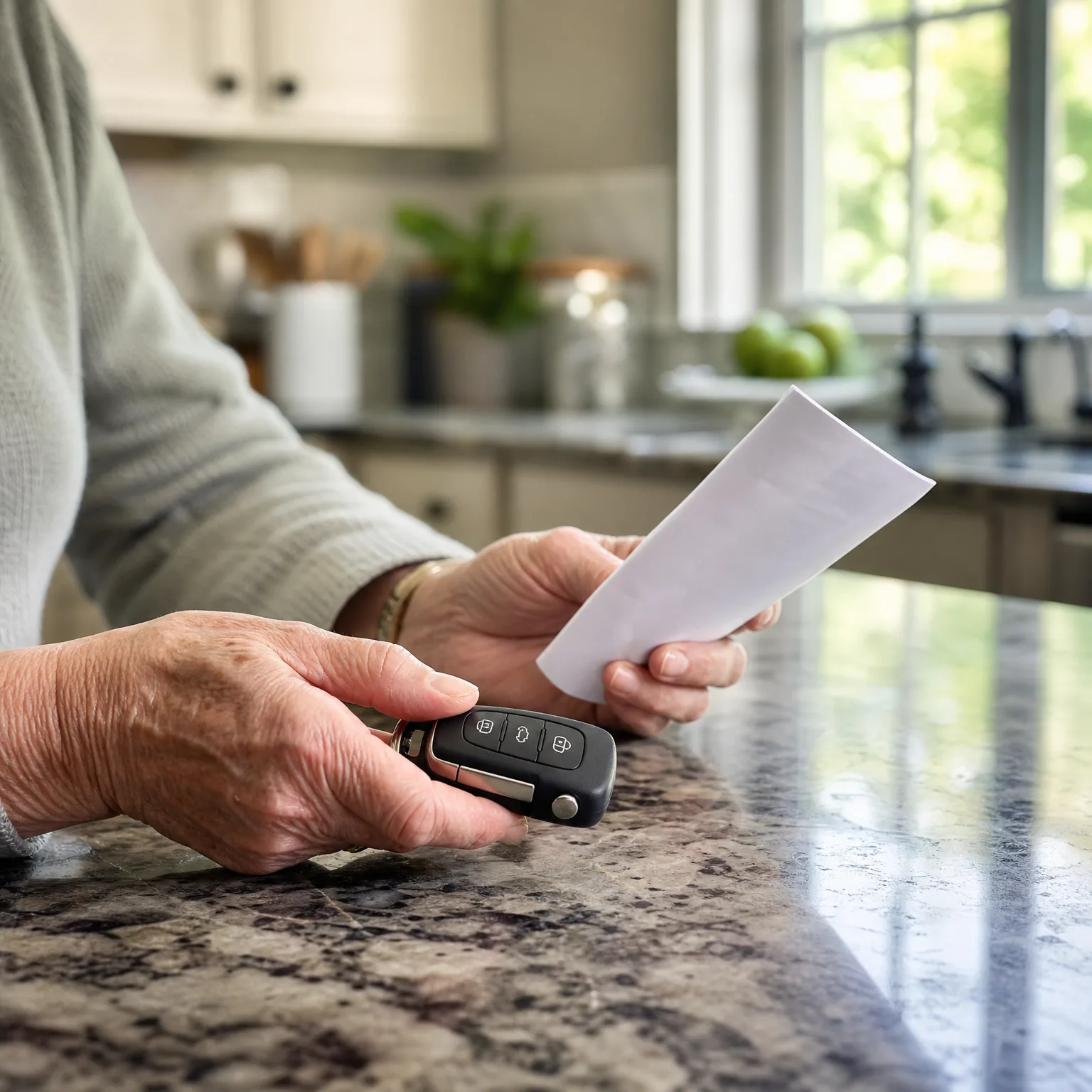
Pull your most recent renewal notice and your current policy declarations page so you know exactly what you're paying for. Check your mileage from the past year and note whether it's dropped. If you've taken a defensive driving course, find the certificate and send it to your insurer this week if you haven't already. Then get a few quotes for the same coverage to see whether your current price still holds up. If a quote comes in lower, call your insurer and ask if they'll match it before you switch. Do this again at every renewal, not just once, since prices and discounts both shift over time.