Can I Be Sued If Someone Borrows My Car
Yes, you can be named in a lawsuit, because your insurance is usually the first to pay when your car causes damage.
You can be sued, and your policy answers first
If you lent your car and the person driving it caused an accident, you can be named in a lawsuit along with the driver. In most states, the insurance tied to the car pays before the driver's own policy does. That means your insurer is often the one responding to the claim, even though you weren't behind the wheel.
This holds whether you handed over the keys yourself or just didn't object when someone you live with took the car. What changes the outcome is whether you gave permission, what your policy covers, and how much damage was done. If the claim goes past what your policy pays, a lawsuit can reach you personally.
Whether you gave permission
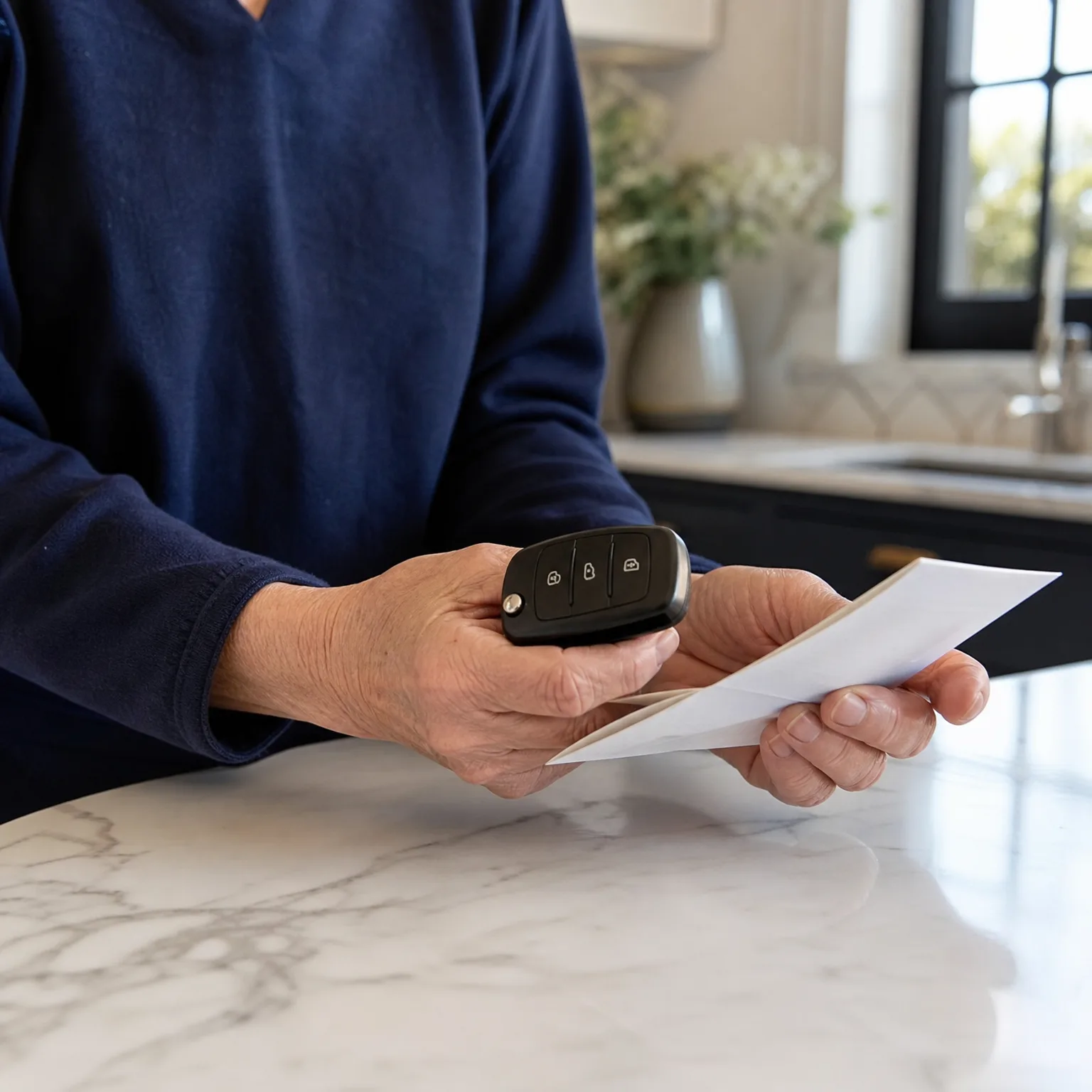
If you lent the car knowingly, your policy almost always covers the accident the same way it would if you'd been driving. The insurer treats permitted use as covered use.
If someone took your car without asking, that changes things. Many policies still cover it, because the coverage follows the car, but an insurer can investigate whether the use was authorized. Tell your insurer the truth about how the person came to have your car. Saying you gave permission when you didn't can cost you more than the claim itself.
If you lend your car often, a regular driver should probably be listed on your policy. An insurer can question a claim involving a frequent but unlisted driver, even if you did allow it that day.
How much the accident costs
Your policy has a limit. If the accident causes damage or injury above that limit, the people hurt can go after the driver, and after you as the car's owner, for the rest.
This is where most people get surprised. They assume their insurance handles everything because it's their car and their policy. It handles everything up to the limit. Past that, both you and the driver can be personally liable, and a lawsuit is how an injured party collects the difference.
If you lend your car to people often, especially ones without much insurance of their own, a higher liability limit or an umbrella policy covers you further up. Ask your insurer what your current limit is and what raising it would cost.
Questions people ask about this
Does my insurance go up if someone else crashes my car?
It can, because the claim is tied to your policy regardless of who was driving. Your insurer treats the accident the way it would if you'd caused it yourself. Ask your insurer how they count accidents caused by permitted drivers before you lend your car regularly.
What if the person I lent my car to doesn't have a license?
Your insurer can deny or dispute the claim if the driver wasn't legally licensed to drive. This is one of the few situations where lending your car creates real risk beyond the usual. Check with your insurer about how they handle unlicensed drivers before assuming you're covered.
Is a family member automatically covered when they drive my car?
Usually, yes, if they live in your household, because most policies cover resident relatives as part of the policy. Someone who doesn't live with you is treated more like any other borrower. Confirm with your insurer who counts as covered under your specific policy.
Should I list someone as a driver if they borrow my car often?
If someone drives your car regularly, your insurer likely expects them listed on the policy. An insurer can question a claim if a frequent driver was left off, even when you gave permission. Ask your insurer where the line is between an occasional borrower and someone who should be added.
Can the driver's own insurance pay instead of mine?
It depends on the state and the policies involved, but the car's policy is typically primary and the driver's own insurance often applies only after that runs out. Ask both insurers directly how they'd split a claim involving your car and another person's policy.
See what raising your liability coverage would actually cost before you lend your car again.
Call your insurer and ask two things: what your liability limits are, and how they treat accidents caused by someone you gave permission to drive. If you lend your car to the same person often, ask whether that person should be listed on your policy. If you lend it to people with limited insurance of their own, ask what an umbrella policy would cost you. Keep a note of who you've given permission to and when, since that matters if a claim is ever disputed. Do this before the next time you hand over your keys, not after an accident has already happened.